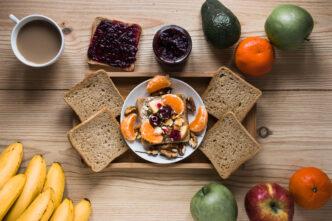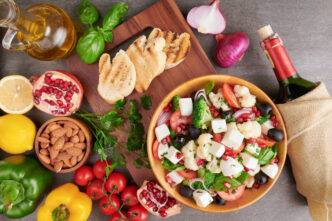


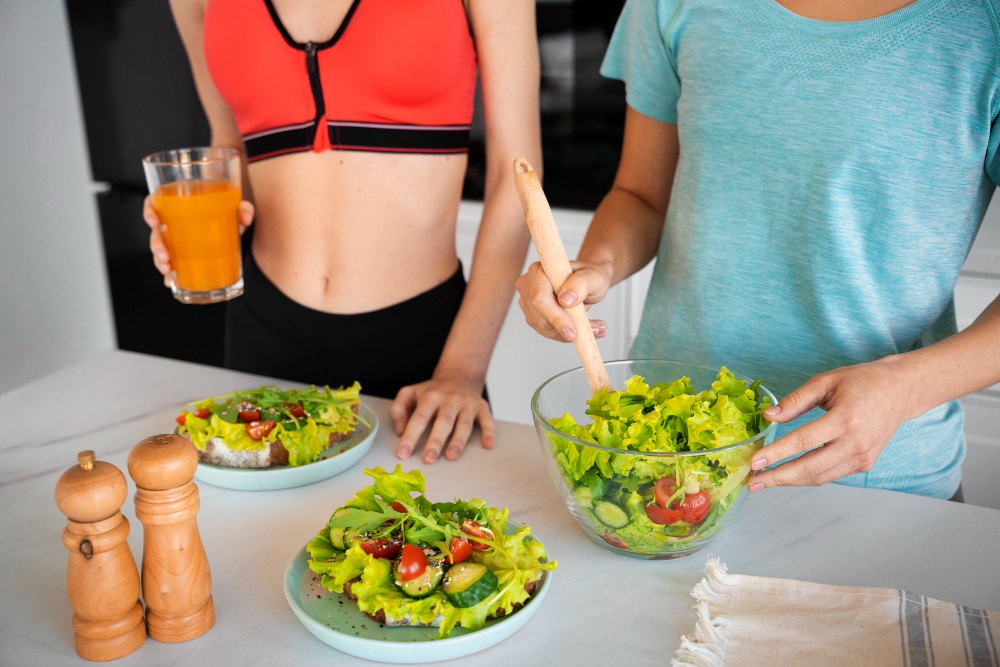
What you eat around your workout can influence how you feel during exercise and how well you recover afterward. But workout nutrition does not need to involve complicated supplements, expensive products, or elaborate meal plans. The best foods to eat before and after a workout are often simple everyday foods that provide carbohydrates, protein, fluids, and other essential nutrients.
Before exercise, carbohydrates can provide readily available fuel, while a moderate amount of protein can help make a meal more balanced. After exercise, protein helps support muscle repair, while carbohydrates help replenish energy stores.
The ideal choices depend on the type and duration of exercise, when you last ate, your personal goals, and how your body responds to different foods.
This guide explains what to eat before and after exercise, how to time your meals, and easy combinations you can use throughout the week.
Why Does Workout Nutrition Matter?
Exercise increases your body’s demand for energy and can place stress on muscles and other tissues.
Food provides the nutrients your body needs to:
- Support exercise performance
- Maintain energy
- Support muscle repair
- Replenish carbohydrate stores
- Replace fluids and electrolytes lost through sweat
- Support overall recovery
However, one meal does not determine the success of your workout program.
Your overall diet, training routine, sleep, hydration, and consistency matter far more than finding a supposedly perfect pre- or post-workout meal.
For most recreational exercisers, regular balanced meals can provide much of the nutrition needed for exercise.
What Should You Eat Before a Workout?
A good pre-workout meal or snack should provide energy without making you feel overly full or uncomfortable.
For many people, the most useful combination is:
Carbohydrates + moderate protein + fluids
Carbohydrates are particularly useful because they are an important fuel source during many types of exercise.
Good pre-workout carbohydrate sources include:
- Bananas
- Oats
- Whole-grain toast
- Rice
- Potatoes
- Fruit
- Whole-grain cereal
- Yogurt with fruit
Protein can also be included, especially when the meal is consumed several hours before exercise.
15 Best Foods to Eat Before a Workout
1. Banana
A banana is one of the easiest pre-workout foods.
It provides carbohydrates and is portable, inexpensive, and easy to digest for many people.
Try:
Banana + Greek yogurt
or
Banana + small amount of peanut butter
If you are exercising shortly after eating, keep the portion relatively simple.
2. Oatmeal
Oatmeal can provide carbohydrates and fiber and makes a useful meal when eaten well before exercise.
Try:
- Oatmeal
- Banana
- Berries
- Greek yogurt
- Cinnamon
If you’re eating close to your workout, a large amount of fiber or fat may feel uncomfortable for some people. Adjust the ingredients and portion according to your tolerance.
3. Greek Yogurt With Fruit
Greek yogurt provides protein, while fruit provides carbohydrates.
Try:
Greek yogurt + banana
or
Greek yogurt + berries + a small amount of oats
This can work well as a pre-workout snack when you have some time before exercising.
4. Whole-Grain Toast
Whole-grain toast can provide carbohydrates and fiber.
Top it with:
- Banana
- Honey
- Nut butter
- Cottage cheese
- Avocado
For a workout soon after eating, simpler toppings may be easier to tolerate.
5. Fruit
Fruit is an easy source of carbohydrates before exercise.
Good choices include:
- Bananas
- Apples
- Oranges
- Grapes
- Berries
- Mango
- Pineapple
Choose the fruit that feels comfortable for you.
6. Rice
Rice is a useful carbohydrate source for people who prefer a larger pre-workout meal.
Try:
Rice + chicken + vegetables
several hours before training.
If you are eating closer to exercise, reduce the portion and choose foods that you know you tolerate well.
7. Potatoes or Sweet Potatoes
Potatoes can provide carbohydrates and several micronutrients.
A pre-workout meal could include:
- Baked potato
- Grilled chicken
- Vegetables
Sweet potatoes can also work well as part of a balanced meal.
8. Whole-Grain Cereal With Milk
A bowl of whole-grain cereal with milk can be a convenient pre-workout breakfast.
Add fruit if desired.
This can be particularly useful for morning workouts.
9. Applesauce
Unsweetened applesauce can provide easily consumed carbohydrates.
It may be useful when you don’t want a large meal before exercising.
Pair it with a small protein source if you have more time before the workout.
10. Whole-Grain Crackers
Whole-grain crackers can provide carbohydrates without requiring cooking.
Pair them with a small amount of:
- Hummus
- Cottage cheese
- Nut butter
Keep the portion appropriate for the timing of your workout.
11. Toast With Nut Butter
Whole-grain toast with peanut or almond butter is a simple combination.
The toast provides carbohydrates, while nut butter provides fat and some protein.
Because fat can slow digestion, this may be better several hours before exercise rather than immediately beforehand.
12. Smoothie
A smoothie can be useful when you want something easy to consume.
Try:
- Banana
- Berries
- Greek yogurt
- Milk or fortified plant milk
- Oats
Adjust the size based on how soon you plan to exercise.
13. Low-Fat Yogurt and Fruit
If full-fat foods feel heavy before exercise, low-fat yogurt with fruit may be easier to tolerate.
This gives you a combination of carbohydrates and protein.
14. Dates
Dates are compact and carbohydrate-rich.
They can be convenient when you want a small amount of food before training.
Pair them with another food if you need a more substantial snack.
15. Rice Cakes With Banana
Rice cakes are light and easy to combine with other foods.
Try:
Rice cakes + banana
or
Rice cakes + a small amount of nut butter
This can be useful when you want a relatively light pre-workout snack.
What Should You Eat After a Workout?
After exercise, focus on replacing the nutrients your body used and supporting recovery.
A practical post-workout meal generally includes:
Protein + carbohydrates + fluids
Protein provides amino acids needed for muscle protein synthesis and repair.
Carbohydrates help replenish glycogen, particularly after prolonged or high-intensity exercise.
You don’t necessarily need a specialized recovery product.
A normal balanced meal can work very well.
15 Best Foods to Eat After a Workout
1. Eggs
Eggs are an easy source of high-quality protein.
Try:
Eggs + whole-grain toast + vegetables
for a simple post-workout meal.
2. Greek Yogurt
Greek yogurt provides protein and can be combined with carbohydrates.
Try:
Greek yogurt + berries + oats + chia seeds
This makes a convenient recovery breakfast or snack.
3. Chicken
Chicken provides protein and can be combined with carbohydrate-rich foods.
Try:
Grilled chicken + rice + vegetables
This is a classic balanced post-workout meal.
4. Salmon
Salmon provides protein along with unsaturated fats.
Combine it with:
- Potatoes
- Brown rice
- Quinoa
- Vegetables
This creates a nutrient-dense recovery meal.
5. Cottage Cheese
Cottage cheese is an easy protein-rich option.
Pair it with:
- Fruit
- Whole-grain toast
- Oats
- Vegetables
Choose sweet or savory combinations depending on your preference.
6. Milk
Milk provides protein and carbohydrates and can be a convenient option after exercise.
Drink it alongside a banana or whole-grain toast for a simple recovery snack.
Fortified plant-based alternatives can also be used, but protein content varies by product.
7. Tuna
Tuna can be used in a quick post-workout sandwich or bowl.
Try:
Tuna + whole-grain bread + vegetables
or
Tuna + rice + vegetables
Check labels when choosing canned tuna, particularly if sodium intake is a concern.
8. Beans
Beans provide plant-based protein and carbohydrates.
Try:
- Black bean rice bowls
- Bean and vegetable wraps
- Bean salads
- Beans with whole grains
They are particularly useful for people following plant-forward diets.
9. Lentils
Lentils provide protein, carbohydrates, fiber, and other nutrients.
A lentil bowl with rice and vegetables can make a satisfying post-workout meal.
10. Tofu
Tofu is a versatile plant-based protein source.
Try:
Tofu + rice + broccoli + carrots
for an easy recovery meal.
11. Protein Smoothie
A smoothie can be useful if you don’t feel like eating a large meal immediately after training.
Try:
- Greek yogurt
- Banana
- Berries
- Milk or fortified plant milk
- Oats
If you use protein powder, consider the ingredient list and overall nutritional value rather than assuming every protein product is necessary.
12. Quinoa
Quinoa can provide carbohydrates and plant protein.
Combine it with:
- Chickpeas
- Chicken
- Tofu
- Vegetables
- Olive oil
This makes a versatile post-workout bowl.
13. Whole-Grain Pasta
Whole-grain pasta can provide carbohydrates and fiber.
Add:
- Chicken
- Tuna
- Beans
- Tomato sauce
- Vegetables
This works particularly well after longer training sessions when carbohydrate replenishment is important.
14. Avocado
Avocado provides unsaturated fats and can complement a recovery meal.
Try:
Whole-grain toast + eggs + avocado
or add avocado to a chicken or bean bowl.
15. Fruit
Fruit is a convenient source of carbohydrates and can complement protein-rich foods.
Try:
- Banana + Greek yogurt
- Apple + cottage cheese
- Berries + yogurt
- Orange + eggs
- Mango + Greek yogurt
How Long Should You Wait to Eat After a Workout?
You do not necessarily need to rush to eat immediately after finishing your workout.
The idea of a strict “30-minute anabolic window” is an oversimplification.
For most people, what matters more is getting enough protein and overall nutrition throughout the day.
If you ate a balanced meal before exercising, there may be less urgency to eat immediately afterward.
However, if you trained fasted, had a long workout, or won’t be eating a regular meal for several hours, a post-workout snack can be practical.
A good rule is:
Eat when convenient, and make sure your overall daily nutrition supports your training.
How Long Before a Workout Should You Eat?
Timing depends on the size of your meal and how quickly you digest food.
2–4 Hours Before Exercise
A balanced meal can work well.
Example:
Chicken + rice + vegetables
1–2 Hours Before Exercise
Choose a lighter meal or snack.
Example:
Greek yogurt + banana
30–60 Minutes Before Exercise
Keep it simple.
Examples:
- Banana
- Applesauce
- Toast
- Dates
- Small smoothie
Immediately Before Exercise
If you need something immediately before training, choose a small amount of food that you know you tolerate well.
Avoid experimenting with unfamiliar foods immediately before an important workout.
What to Eat Before Strength Training
Strength training uses carbohydrates as a fuel source while also placing demands on muscle tissue.
A balanced meal containing carbohydrates and protein can work well.
Examples
2–3 hours before:
Chicken + rice + vegetables
1–2 hours before:
Greek yogurt + oats + berries
30–60 minutes before:
Banana + small yogurt
The best choice depends on your workout intensity and individual tolerance.
What to Eat Before Cardio
For longer or more intense cardio sessions, carbohydrate availability can become particularly important.
Examples include:
- Oatmeal + banana
- Toast + fruit
- Yogurt + berries
- Rice + lean protein
- Banana + small amount of nut butter
For short, low-intensity exercise, you may not need a substantial pre-workout meal if you’ve eaten recently.
What to Eat After Strength Training
After resistance training, include a quality protein source.
Good combinations include:
Eggs + whole-grain toast + vegetables
Chicken + rice + broccoli
Greek yogurt + berries + oats
Tofu + quinoa + vegetables
Lentils + rice + vegetables
Your total daily protein intake matters more than finding one magical post-workout food.
What to Eat After Cardio
After longer cardio sessions, combine carbohydrates with protein.
Try:
- Greek yogurt + banana + oats
- Eggs + toast + fruit
- Chicken + rice + vegetables
- Salmon + potatoes + vegetables
- Lentils + quinoa + vegetables
Also replace fluids lost through sweating.
Don’t Forget Hydration
Food is only one part of workout nutrition.
Water is important before, during, and after exercise.
How much you need depends on:
- Exercise duration
- Exercise intensity
- Temperature
- Humidity
- Sweat rate
- Individual body size
- Clothing
- Training environment
For longer or particularly sweaty sessions, electrolytes may also be relevant.
However, not every workout requires a sports drink.
For many everyday workouts, water and normal meals are sufficient.
Do You Need Protein Powder After a Workout?
Not necessarily.
Protein powder is a convenience food, not a requirement for exercise recovery.
You can obtain protein from foods such as:
- Eggs
- Greek yogurt
- Milk
- Cottage cheese
- Chicken
- Fish
- Tofu
- Beans
- Lentils
Protein powder can be useful if you have difficulty meeting your protein needs through food, need something portable, or simply prefer its convenience.
However, it should complement—not replace—a nutritious overall diet.
Do You Need Carbohydrates After a Workout?
Carbohydrates can be particularly useful after long-duration or high-intensity exercise because they help replenish glycogen stores.
For casual workouts, you generally do not need to force down large amounts of carbohydrates immediately afterward.
Instead, include appropriate carbohydrate sources in your normal meals.
Good choices include:
- Oats
- Rice
- Potatoes
- Fruit
- Whole-grain bread
- Whole-grain pasta
- Quinoa
Pre-Workout Foods to Avoid
There is no universal list of forbidden foods.
However, some foods can cause digestive discomfort when consumed shortly before exercise.
Depending on your individual tolerance, you may want to limit large amounts of:
- Very fatty foods
- Very high-fiber meals
- Heavy fried foods
- Large meals
- Foods that cause bloating
- Unfamiliar foods
For example, a large serving of beans or a very greasy meal immediately before running may not be comfortable.
The same food may be perfectly suitable several hours before exercise.
Timing matters.
Post-Workout Foods to Limit
Again, you don’t need to completely avoid any specific food.
But if recovery is your priority, a meal based primarily on:
- Sugary drinks
- Candy
- Highly processed snack foods
- Alcohol
is unlikely to provide the same nutritional value as a balanced meal containing protein, carbohydrates, fruits, vegetables, and fluids.
You can enjoy treats as part of an overall balanced diet.
Simple Pre-Workout Meal Ideas
Here are practical combinations you can rotate.
Option 1
Banana + Greek yogurt
Option 2
Oatmeal + berries + milk
Option 3
Whole-grain toast + banana + small amount of peanut butter
Option 4
Rice + chicken + vegetables
Option 5
Whole-grain cereal + milk + fruit
Option 6
Smoothie with banana, berries, yogurt, and milk
Choose based on how much time you have before exercise.
Simple Post-Workout Meal Ideas
Option 1
Eggs + whole-grain toast + vegetables
Option 2
Greek yogurt + berries + oats + chia
Option 3
Chicken + rice + broccoli
Option 4
Salmon + potatoes + vegetables
Option 5
Tofu + quinoa + roasted vegetables
Option 6
Lentils + brown rice + vegetables
Option 7
Protein-rich smoothie + fruit
The goal is not perfection.
The goal is consistency.
Pre- and Post-Workout Nutrition for Weight Management
If your goal is weight management, workout nutrition still matters—but total energy intake is important.
A common mistake is assuming that exercising gives you unlimited permission to eat large quantities of calorie-dense foods.
Nutritious foods can still contribute substantial calories.
Focus on:
- Appropriate portions
- Protein-rich foods
- Fruits and vegetables
- Whole grains
- Healthy fats
- Adequate hydration
- Consistent physical activity
You do not need to eliminate carbohydrates to manage weight.
Nor do you need to consume enormous amounts of protein.
Your overall eating pattern is what matters.
Pre- and Post-Workout Nutrition for Muscle Building
If your goal is building muscle, adequate overall protein and energy intake are important.
Include quality protein sources throughout the day rather than relying entirely on one post-workout meal.
Examples include:
- Eggs
- Dairy
- Fish
- Chicken
- Lean meats
- Soy foods
- Beans
- Lentils
Combine protein with carbohydrates and other nutrient-dense foods to support your training.
A structured resistance-training program is also essential.
A Simple Workout Nutrition Schedule
Here’s an example of how a training day might look.
Breakfast
Oatmeal + Greek yogurt + berries + walnuts
Pre-Workout Snack
Banana + yogurt
Workout
Strength training or cardio
Post-Workout Meal
Chicken + rice + vegetables
Afternoon Snack
Apple + almonds
Dinner
Salmon + potatoes + broccoli
This is only an example. Your portions and meal timing should reflect your individual energy requirements and training schedule.
Frequently Asked Questions
What is the best food to eat before a workout?
There is no single best food for everyone. Bananas, oatmeal, yogurt with fruit, whole-grain toast, rice, and other carbohydrate-rich foods can work well. Choose based on your workout timing and digestive tolerance.
What should I eat 30 minutes before a workout?
Keep the snack small and relatively easy to digest. A banana, applesauce, toast, dates, or a small smoothie can work for many people.
What should I eat after a workout?
Choose a meal or snack containing protein and carbohydrates. Examples include Greek yogurt with fruit and oats, eggs with whole-grain toast, or chicken with rice and vegetables.
Do I need to eat immediately after exercising?
Not necessarily. If you ate before exercising, there may be less urgency. However, eating a balanced meal or snack within a reasonable period can be useful, especially after longer or intense workouts.
Is a banana good before a workout?
Yes. Bananas provide carbohydrates and are portable and convenient. They can be particularly useful when you need a quick snack before exercise.
Is protein necessary after a workout?
Protein is important for muscle maintenance and repair, particularly after resistance exercise. However, you do not need a specialized protein shake if you can obtain adequate protein from regular foods.
Should I eat carbs before or after a workout?
Both can be useful. Carbohydrates before exercise can provide fuel, while carbohydrates after exercise can help replenish glycogen. The importance depends on the type, duration, and intensity of your training.
Can I work out on an empty stomach?
Some people comfortably exercise without eating beforehand, particularly for shorter or lower-intensity workouts. Others perform better after eating. Individual tolerance and overall nutrition matter.
Is coffee good before a workout?
Caffeine can improve performance for some people, but individual responses vary. If you use caffeinated beverages before exercise, consider the amount of caffeine, timing, sleep impact, and your personal tolerance.
The Bottom Line
The best foods to eat before and after a workout are usually simple, familiar foods rather than expensive fitness products.
Before exercise, focus on foods that provide carbohydrates for energy, with protein included when appropriate. After exercise, combine protein, carbohydrates, and fluids to support recovery.
Some of the easiest combinations include:
- Banana + Greek yogurt
- Oatmeal + berries
- Whole-grain toast + eggs
- Chicken + rice + vegetables
- Greek yogurt + fruit + oats
- Salmon + potatoes + vegetables
- Tofu + quinoa + vegetables
Most importantly, don’t become obsessed with finding a perfect “anabolic window” or a single magical food.
Your overall daily nutrition, training consistency, hydration, recovery, and sleep have a much greater influence on your long-term results.