
Staying active after 50 does not mean you need punishing workouts, long runs, or high-impact jumping exercises. In fact, the best low-impact exercises for adults over 50 can improve strength, mobility, balance, cardiovascular fitness, and independence while putting less stress on the joints.
Whether you are returning to exercise after years away or simply want a more sustainable fitness routine, the goal is not to exercise harder. It is to exercise smarter.
This guide explains the most effective low-impact exercises for adults over 50, how often to do them, how to build a balanced weekly routine, and how to exercise safely as your fitness level changes.
What Are Low-Impact Exercises?
Low-impact exercises are activities that place relatively little stress on the joints because they generally keep at least one foot, or another part of the body, in contact with the ground or equipment.
Examples include:
- Walking
- Swimming
- Water aerobics
- Cycling
- Elliptical training
- Resistance training
- Yoga
- Pilates
- Tai chi
- Mobility exercises
Low impact does not mean low intensity. You can increase the difficulty of many low-impact activities by exercising longer, increasing resistance, changing your pace, or progressing to more challenging movements.
The major advantage is that low-impact exercise can make regular physical activity easier to maintain, particularly for people who are concerned about joint discomfort or recovering from periods of inactivity.
Why Exercise Becomes More Important After 50
Aging is associated with gradual changes in muscle mass, strength, bone health, balance, flexibility, and cardiovascular capacity.
Regular physical activity can help counter many of these changes.
A well-rounded exercise program can support:
- Muscle strength
- Cardiovascular health
- Balance and coordination
- Mobility and flexibility
- Bone health
- Healthy body weight
- Daily functional ability
- Mood and mental well-being
- Independence as you age
The key is consistency.
You do not need to complete a demanding workout every day. A sustainable combination of aerobic activity, strength training, balance work, and flexibility exercises can provide a much better long-term strategy.
10 Best Low-Impact Exercises for Adults Over 50
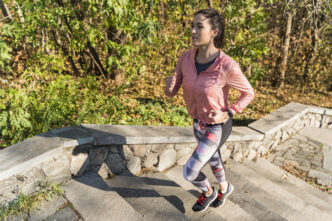
1. Walking
Walking is one of the simplest and most accessible forms of exercise.
It requires little equipment and can be performed almost anywhere. You can also adjust the intensity to match your current fitness level.
Start with a comfortable pace. As your fitness improves, increase your walking speed, distance, or duration.
How to make walking more challenging:
- Walk at a brisker pace.
- Add gentle hills.
- Increase your walking time gradually.
- Use intervals of faster and slower walking.
- Choose varied terrain when appropriate.
A simple goal might be a 20- to 30-minute walk several times per week. Beginners can break this into shorter sessions.
Why it works: Walking provides cardiovascular activity while remaining relatively gentle compared with running and other high-impact activities.
2. Swimming
Swimming provides a full-body workout while the water supports much of your body weight.
This can make it particularly appealing for people who want to exercise without placing substantial impact on the hips, knees, or ankles.
Swimming can train:
- The arms
- Shoulders
- Back
- Core
- Legs
- Cardiovascular system
If you are new to swimming, you do not need to swim continuously for a long period.
Try alternating easy swimming with short rest periods.
For people who are not comfortable swimming laps, water walking or aquatic fitness classes can provide another option.
3. Water Aerobics
Water aerobics combines cardiovascular movement and resistance from the water.
The water creates natural resistance while reducing the impact associated with many land-based exercises.
A class may include movements such as:
- Water walking
- Leg lifts
- Arm movements
- Marching
- Gentle jogging
- Balance drills
Water exercise can also be a social way to stay active, which may make it easier to maintain a consistent routine.
4. Stationary Cycling
Stationary cycling is an excellent low-impact cardiovascular exercise.
Because the pedals support a continuous circular movement, cycling avoids the repetitive pounding associated with running.
You can control the workout by adjusting:
- Resistance
- Speed
- Duration
- Interval length
A beginner might start with 10 to 15 minutes at a comfortable resistance and gradually build toward longer sessions.
If you experience discomfort around the knees, check your seat height and cycling position rather than simply pushing through the pain.
5. Elliptical Training
An elliptical machine provides a cardiovascular workout while keeping your feet supported on the pedals.
The movement can be easier on the joints than running, although individual comfort varies.
For beginners, focus on maintaining good posture and a controlled pace rather than trying to achieve maximum resistance.
Try:
5-minute warm-up → 10–20 minutes moderate exercise → 5-minute cool-down
As your fitness improves, you can gradually increase duration or introduce short periods of higher effort.
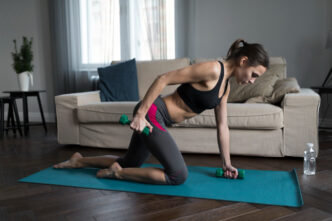
6. Strength Training
Strength training is one of the most important forms of exercise after 50.
Many people focus heavily on cardio while overlooking resistance exercise. That can be a mistake.
Strength training helps you maintain and develop muscle strength needed for everyday activities such as:
- Climbing stairs
- Carrying groceries
- Getting out of a chair
- Lifting objects
- Maintaining posture
- Performing household tasks
You do not necessarily need heavy weights.
Beginners can start with:
- Resistance bands
- Light dumbbells
- Machines
- Body-weight exercises
- Household objects when appropriate
Useful movements include:
- Chair squats
- Wall push-ups
- Resistance-band rows
- Glute bridges
- Step-ups
- Calf raises
- Seated leg extensions
Aim for controlled movements rather than rushing through repetitions.
7. Chair Exercises
Chair-based exercise can be an excellent starting point for adults who have limited mobility, poor balance, or are returning to exercise.
Exercises can include:
- Seated marches
- Seated leg extensions
- Seated knee lifts
- Arm raises
- Seated punches
- Sit-to-stand exercises
The sit-to-stand movement is particularly useful because it trains a movement pattern you use throughout daily life.
Place a stable chair against a secure surface and practice standing up and sitting down with control.
If you cannot safely perform the movement without assistance, seek professional guidance before progressing.
8. Tai Chi
Tai chi uses slow, controlled movements combined with changes in posture, coordination, and breathing.
It can be particularly useful for adults who want to work on balance, body awareness, mobility, and controlled movement.
Unlike many conventional workouts, tai chi does not require rapid movements or heavy equipment.
It can also provide a gentle introduction to regular physical activity for people who are intimidated by traditional gyms.
9. Yoga
Yoga can help improve flexibility, mobility, strength, balance, and body awareness.
However, not every yoga class is equally appropriate for every person over 50.
Beginners may benefit from:
- Gentle yoga
- Chair yoga
- Restorative yoga
- Beginner mobility-focused classes
Avoid forcing a joint into a position simply because a pose looks advanced.
The objective is controlled movement, not maximum flexibility.
If you have balance limitations, consider practicing near a wall or using an instructor who understands modifications for older adults.
10. Pilates
Pilates focuses on controlled movement, core strength, posture, stability, and body awareness.
Modified Pilates can be a useful low-impact option for adults over 50 who want to improve functional strength without high-impact movements.
Begin with beginner-level exercises and focus on technique.
As your strength improves, you can gradually increase resistance or exercise complexity.
What Is the Best Exercise for Someone Over 50?
The best exercise for someone over 50 is an activity that is safe, appropriate for their current fitness level, enjoyable enough to perform consistently, and capable of improving cardiovascular fitness, strength, mobility, or balance.
There is no single perfect exercise.
For example:
- Walking may be ideal for someone who enjoys exercising outdoors.
- Swimming may work well for someone who prefers water-based activity.
- Strength training is important for maintaining muscle.
- Tai chi can emphasize balance and controlled movement.
- Cycling can provide cardiovascular training with relatively little impact.
- Yoga can support flexibility and mobility.
The strongest approach is usually a combination of different exercise types.
How Much Exercise Should Adults Over 50 Get?
Rather than focusing exclusively on one number, build your routine around several components of fitness.
A balanced program should include:
- Aerobic activity for cardiovascular fitness.
- Strength training for muscle and functional strength.
- Balance exercises to support stability.
- Flexibility and mobility work to maintain comfortable movement.
For adults who are currently inactive, starting small is completely appropriate.
Even a short walk or brief strength session is a meaningful starting point.
The most important progression is from doing nothing to doing something consistently.
A Simple Weekly Exercise Plan for Adults Over 50
Here is an example of how you could combine different types of low-impact exercise.
Monday — Walking + Mobility
- 20–30 minutes brisk walking
- 5–10 minutes gentle mobility exercises
Tuesday — Strength Training
- Chair squats
- Wall push-ups
- Resistance-band rows
- Glute bridges
- Calf raises
Perform approximately 1–3 sets of each exercise according to your ability.
Wednesday — Low-Impact Cardio
Choose one:
- Swimming
- Cycling
- Water aerobics
- Elliptical
Aim for a comfortable moderate effort.
Thursday — Balance + Flexibility
Try:
- Heel-to-toe walking
- Supported single-leg stands
- Gentle yoga
- Mobility exercises
Use a stable support when necessary.
Friday — Strength Training
Repeat a full-body strength session while focusing on controlled technique.
Saturday — Longer Easy Activity
Take a relaxed walk, go swimming, cycle, garden, or participate in another activity you enjoy.
Sunday — Recovery
Rest or perform gentle stretching and mobility work.
You do not have to follow this exact schedule. The best routine is one that fits your lifestyle and can be maintained over time.
Low-Impact Strength Exercises to Try at Home
You can create an effective home workout without a large collection of equipment.
Chair Squats
Stand in front of a sturdy chair.
Slowly lower your body toward the chair and then stand back up.
Keep your movements controlled.
This exercise targets the muscles used when sitting and standing.
Wall Push-Ups
Place your hands against a wall and step backward.
Bend your elbows to bring your chest toward the wall, then push yourself away.
This is a beginner-friendly way to train the upper body.
Calf Raises
Hold a stable surface for support.
Raise your heels slowly, pause briefly, and lower them with control.
This strengthens the calf muscles and challenges balance.
Resistance-Band Rows
Secure the band appropriately and pull it toward your body while keeping your shoulders controlled.
Rows can strengthen the upper back and support posture.
Glute Bridges
Lie on your back with your knees bent and feet positioned comfortably.
Lift your hips while engaging your glute muscles, then lower slowly.
If getting onto the floor is difficult or unsafe, choose a standing alternative.
Balance Exercises Are Especially Important
Balance deserves special attention as you get older.
Good balance supports everyday activities and can help you move confidently.
Simple exercises include:
- Standing on one leg while holding a stable surface
- Heel-to-toe walking
- Controlled side steps
- Sit-to-stand exercises
- Supported marching
- Tai chi movements
Never sacrifice safety to make a balance exercise harder.
Perform balance exercises near a sturdy countertop, wall, or other reliable support when needed.
How to Exercise Safely After 50
Starting gradually is one of the most important principles.
Before increasing exercise intensity:
- Warm up.
- Start with manageable resistance or duration.
- Learn proper technique.
- Increase difficulty gradually.
- Allow adequate recovery.
- Pay attention to unusual symptoms.
- Stop if something feels seriously wrong.
Some muscle fatigue after a new workout can be normal. Sharp, severe, or persistent pain should not simply be ignored.
If you have a chronic health condition, significant joint problems, recent surgery, unexplained symptoms, or have been inactive for a long time, speak with an appropriate healthcare professional about what type and intensity of exercise is suitable for you.
Common Exercise Mistakes Adults Over 50 Should Avoid
Doing Too Much Too Soon
A common mistake is trying to compensate for years of inactivity with an aggressive workout.
Instead, build gradually.
Ignoring Strength Training
Cardio is valuable, but maintaining muscle strength is also essential for functional fitness.
Treating Pain as Something to Push Through
Exercise should challenge you without requiring you to ignore significant pain.
Skipping Warm-Ups
A few minutes of gentle movement can help prepare your body for exercise.
Comparing Yourself With Younger Exercisers
Your workout should match your current ability, not someone else’s.
Fitness is not a competition.
Focusing Only on Weight Loss
Body weight is only one aspect of health.
Strength, mobility, cardiovascular fitness, balance, energy, and functional ability are also meaningful measures of progress.
How to Make Low-Impact Exercise More Effective
Low-impact workouts can become challenging without adding unnecessary joint stress.
Try these progression methods:
Increase duration: Add a few minutes to your workout.
Increase resistance: Use a slightly stronger resistance band or heavier weight when appropriate.
Increase pace: Walk or cycle slightly faster.
Add intervals: Alternate comfortable and moderately challenging periods.
Improve technique: Better control can make an exercise substantially more demanding.
Increase consistency: A moderate workout performed regularly is generally more useful than an intense workout performed occasionally.
Frequently Asked Questions
Is walking enough exercise after 50?
Walking is an excellent form of cardiovascular activity, but a complete fitness program should ideally include strength, balance, and mobility exercises as well. Combining different activities can address more aspects of healthy aging.
What is the best low-impact cardio for people over 50?
Walking, swimming, water aerobics, cycling, and elliptical training are excellent low-impact cardiovascular options. The best choice depends on your fitness level, preferences, accessibility, and how your body responds to the activity.
Can you build muscle after 50?
Yes. Adults can improve strength and build or maintain muscle through appropriately designed resistance training. Progress should be gradual, with attention to technique, recovery, and individual ability.
What exercise is easiest on the knees?
Water-based exercise, swimming, cycling, and some forms of walking may be comfortable options for many people because they generally involve less impact than running. However, individual knee conditions vary, so persistent knee pain should be evaluated by an appropriate healthcare professional.
How can I start exercising if I have been inactive for years?
Start with short, manageable sessions. For example, begin with several minutes of walking and simple mobility exercises, then gradually increase duration and difficulty. Consistency matters more than starting with an ambitious workout.
Should adults over 50 exercise every day?
You can remain physically active on most days, but your activities do not all need to be intense. A week can include walking, strength training, mobility work, balance exercises, and easier recovery activities.
How to Stay Consistent With Exercise After 50
Knowing what to do is only half the challenge.
The real advantage comes from making exercise part of your routine.
Try these strategies:
- Schedule workouts like appointments.
- Choose activities you genuinely enjoy.
- Start with realistic goals.
- Exercise with a friend or group.
- Track your walks or workouts.
- Keep resistance bands or light equipment visible.
- Break long periods of sitting with movement.
- Celebrate improvements in strength and mobility rather than focusing only on weight.
- Change activities when boredom develops.
You do not need perfect motivation.
You need a routine that is easy enough to repeat.
The Bottom Line
The best low-impact exercises for adults over 50 are not necessarily the most complicated or intense. Walking, swimming, cycling, strength training, tai chi, yoga, Pilates, water aerobics, elliptical training, and chair exercises can all play a valuable role in an active lifestyle.
The most effective approach is to combine several forms of movement.
Prioritize cardiovascular fitness, strength, balance, mobility, and consistency. Start at your current ability level and progress gradually.
Most importantly, remember that 50 is not a finish line for fitness. It can be the beginning of a smarter and more sustainable approach to staying strong, mobile, and independent.